
Not all dietary fats are equal. Healthy fats — including monounsaturated fats (olive oil, avocados) and omega-3 polyunsaturated fats (fatty fish, walnuts) — actively support heart health, brain function, and hormone balance. Harmful fats, particularly industrially produced trans fats and excessive saturated fats from ultra-processed foods, drive inflammation and raise cardiovascular risk. The critical distinction lies not just in fat type, but in fat source, processing method, and your overall dietary pattern.
Why Should You Care About Dietary Fat in 2026?
In my years tracking health trends and reviewing nutritional research, one pattern stands out: fat has been one of the most misunderstood macronutrients of the last half-century. The low-fat dietary craze of the 1980s and 90s didn’t reduce obesity or heart disease — it replaced fat with refined carbohydrates, arguably making metabolic health worse.
Let’s look at the data. According to a landmark 2018 meta-analysis in The Lancet, diets with moderate-to-high fat intake (but low in refined carbs) were associated with lower all-cause mortality compared with low-fat diets. The type of fat consumed, it turns out, matters far more than the quantity.
The goal of this guide isn’t to demonise or glorify fat — it’s to give you a precise, usable framework for navigating the fats on your plate with confidence.
What Exactly Are “Healthy Fats”?
Monounsaturated Fatty Acids (MUFAs): Your Metabolic Ally
MUFAs are the cornerstone of the Mediterranean diet — one of the most studied dietary patterns in preventative care. They are found in:
- Extra-virgin olive oil (EVOO)
- Avocados and avocado oil
- Almonds, cashews, and macadamia nuts
- Canola oil (cold-pressed, unrefined)
How they work biologically: MUFAs improve Insulin Sensitivity by modifying cell membrane phospholipid composition, making receptors more responsive to insulin signals. They also reduce LDL (“bad”) cholesterol without lowering HDL (“good”) cholesterol — a dual benefit that few dietary interventions achieve cleanly.
Polyunsaturated Fatty Acids (PUFAs): The Omega Equation
PUFAs split into two essential families your body cannot manufacture on its own:
Omega-3s (anti-inflammatory)
- Fatty fish: salmon, sardines, mackerel, herring
- Flaxseeds and chia seeds
- Walnuts
- Algae-based supplements (the original source — fish eat algae)
Omega-6s (pro-inflammatory in excess)
- Sunflower, soybean, and corn oils
- Most commercial salad dressings
- Grain-fed animal products
The critical ratio: Ancestral human diets had an omega-6 to omega-3 ratio of roughly 4:1. Modern Western diets average 15:1 to 20:1. This imbalance — not fat intake per se — is a primary driver of Chronic Systemic Inflammation, which sits at the root of heart disease, type 2 diabetes, and neurodegenerative conditions.
What Makes a Fat “Harmful”?
Industrially Produced Trans Fats: The Clear Villain
Partially hydrogenated oils (PHOs) — the source of artificial trans fats — are as close to a dietary consensus as nutrition science gets. They:
- Raise LDL cholesterol simultaneously while lowering HDL cholesterol (a uniquely destructive combination)
- Trigger Endothelial Dysfunction, damaging the inner lining of blood vessels
- Increase systemic inflammation markers, including C-Reactive Protein (CRP)
The WHO called for global elimination of industrial trans fats by 2023. Many countries have banned them. Yet they persist in some imported baked goods, certain margarines, and deep-fried street foods — so label literacy still matters.
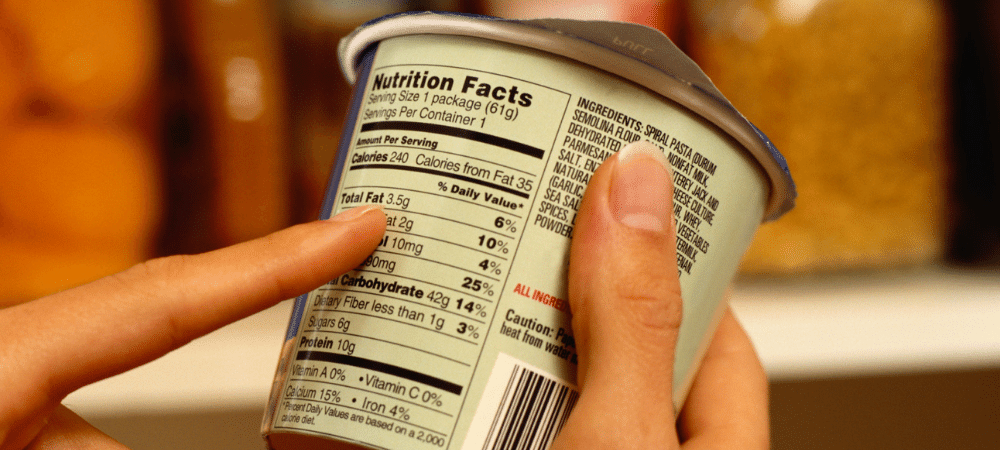
Hidden saboteur #1: “0g trans fat” on a nutrition label doesn’t mean zero trans fats. In the US (and many other countries), manufacturers can legally round down to zero if a serving contains less than 0.5g. If “partially hydrogenated oil” appears anywhere in the ingredients list, the product contains trans fats. Always read the ingredients, not just the nutrition panel.
Saturated Fats: The Nuanced Middle Ground
This is where the science is genuinely complex, and where confident headlines often mislead. Here’s what the evidence actually shows:
Saturated fats that warrant caution:
- Lauric, myristic, and palmitic acids (found in palm oil, commercial dairy, and processed meats) consistently raise LDL-C in controlled trials
- Ultra-processed food sources of saturated fat (biscuits, crisps, pastries) carry additional metabolic harms from refined carbs, emulsifiers, and additives — making isolating “just the fat” nearly impossible
Saturated fats with a more complex profile:
- Stearic acid (found in dark chocolate and grass-fed beef) is converted in the body to oleic acid (a MUFA) and appears metabolically neutral
- Dairy fat from whole, minimally processed sources (full-fat yoghurt, certain cheeses) shows surprisingly neutral or even modestly protective associations in large cohort studies — possibly due to the Food Matrix Effect, where the physical structure of whole food alters how nutrients are absorbed and metabolised
The bottom line: Replacing saturated fat with refined carbohydrates (the common dietary swap in the 1990s) is demonstrably harmful. Replacing it with unsaturated fats (particularly omega-3s) is demonstrably beneficial. The source and dietary context of saturated fat matters enormously.
The 3 “Hidden” Saboteurs That Most Fat Guides Miss
Hidden Saboteur #1: The Oxidised Oil Problem
Most wellness content tells you which fats to buy. Almost none tells you what happens after you bring them home.
Polyunsaturated fats — especially omega-6-rich oils like sunflower and grapeseed — are chemically unstable when exposed to heat, light, and oxygen. When these oils reach their Smoke Point or are stored improperly:
- They undergo Lipid Peroxidation, generating toxic aldehydes (including 4-hydroxynonenal and acrolein)
- These aldehydes have been linked to mitochondrial dysfunction, DNA damage, and accelerated cellular ageing
- A 2015 study from De Montfort University found that cooking with polyunsaturated vegetable oils produced significantly higher concentrations of toxic aldehydes than cooking with saturated or monounsaturated fats — which are more chemically stable at high temperatures
The fix: Use extra-virgin olive oil or avocado oil for sautéing (both have high smoke points and are dominated by stable MUFAs). Reserve flaxseed and walnut oils for cold applications — dressings, drizzles, smoothies. Store all oils in dark glass bottles away from heat.
Hidden Saboteur #2: The Circadian Rhythm–Fat Metabolism Connection
Here’s a mechanism that almost never appears in standard nutrition content: when you eat fat is nearly as important as which fat you eat.
Your body’s Metabolic Circadian Clock — governed by clock genes like BMAL1 and CLOCK — regulates fat digestion and storage on a 24-hour cycle. Research in chronobiology shows:
- Lipase activity (the enzyme that breaks down dietary fat) peaks in the morning and early afternoon and declines significantly in the evening
- The same fatty meal consumed at 8am vs. 10pm produces a measurably different Postprandial Lipid Response — evening fat consumption leads to higher and more prolonged triglyceride spikes in the bloodstream
- Adipogenesis (the creation of new fat cells) is upregulated at night, meaning the same caloric load of fat consumed late at night has a higher probability of being stored rather than oxidised
The wellness routine implication: Front-load your healthy fats earlier in the day (avocado at breakfast, olive oil at lunch). If you’re eating later in the evening, keep fat portions smaller and favour short-chain fatty acids from sources like coconut yoghurt or ghee, which are processed differently (absorbed directly into the portal vein rather than via lymphatic chylomicrons).
Hidden Saboteur #3: The Stress–Fat Interaction Loop
Cortisol Spikes — your body’s primary stress hormone — directly alter how dietary fat is processed and stored, creating a vicious cycle that no amount of dietary optimisation can fully override without addressing the underlying stress load.
Here’s the mechanism:
- Chronic stress elevates Cortisol and Noradrenaline levels
- These hormones activate Hormone-Sensitive Lipase in adipose tissue, releasing free fatty acids into the bloodstream (even if you haven’t eaten)
- Simultaneously, chronic cortisol impairs Insulin Sensitivity, making cells less able to uptake glucose — so the liver converts more circulating fatty acids into VLDL triglycerides
- High cortisol also drives Visceral Adipogenesis — specifically driving fat storage around the abdominal organs, which produces its own pro-inflammatory cytokines (adipokines), deepening the inflammatory cycle
What this means practically: If you’re eating a textbook-perfect fat intake but living with chronic stress, you may still see elevated triglycerides, disrupted lipid panels, and increased visceral fat accumulation. This is not a failure of your diet — it is a physiological consequence of an unaddressed cortisol load.
The Healthy Fats Cheat Sheet: Comparison Table
| The Habit | The Long-term Impact | The 1-Minute Fix |
|---|---|---|
| Cooking with sunflower or corn oil at high heat | Lipid Peroxidation generates toxic aldehydes; promotes oxidative stress and cellular damage | Switch to extra-virgin olive oil or avocado oil for all cooking above 160°C |
| Eating a high-fat meal after 9pm regularly | Elevated evening Postprandial Triglycerides; impaired fat oxidation; increased risk of visceral fat accumulation | Front-load healthy fats to breakfast and lunch; keep evening meals lighter in fat |
| Chronic work stress with no recovery routine | Cortisol Spikes impair insulin sensitivity; drive visceral fat storage regardless of diet quality | Add a 10-minute post-meal walk; even brief movement blunts the cortisol-driven lipid response |
| Consuming “0g trans fat” packaged foods without checking ingredients | Cumulative trans fat exposure from sub-0.5g servings; silent Endothelial Dysfunction over time | Read the ingredients list — if “partially hydrogenated oil” appears, put it back |
| Eating a high omega-6 / low omega-3 diet | Chronic Systemic Inflammation; elevated CRP; impaired cardiovascular and cognitive function | Add 2 portions of oily fish per week OR 1 tbsp of ground flaxseed daily to meals |
| Eating full-fat dairy from ultra-processed sources | Palm and myristic acid load; compounded by refined carb co-ingredients | Switch to whole-food dairy: full-fat yoghurt, traditional cheeses; no flavoured/sweetened varieties |
What Does a Day of Healthy Fat Eating Actually Look Like?
Let’s make this concrete. Here’s a practical framework, not a rigid meal plan:
Morning: Scrambled eggs cooked in a teaspoon of ghee or EVOO + half an avocado + a small handful of walnuts. The combination provides MUFAs, omega-3s, and fat-soluble vitamins (A, D, E, K) in a single meal.
Lunch: A salad dressed with extra-virgin olive oil and apple cider vinegar + a palm-sized portion of grilled salmon or sardines. This is your primary omega-3 delivery vehicle for the day.
Afternoon snack: A small serving of full-fat Greek yoghurt. The Food Matrix Effect of whole dairy means the fat here behaves differently to the same fat extracted and processed into a snack food.
Evening: Keep fat portions moderate. Use olive oil in cooking but avoid high-fat additions (nuts, cheese, oils) on top. If you want a dietary fat source, a small portion of dark chocolate (70%+) provides stearic acid and polyphenols — a genuinely well-evidenced combination for vascular health.
Quick Reference: Fat Types at a Glance
| Fat Type | Primary Sources | Effect on Health | Best Use |
|---|---|---|---|
| Monounsaturated (MUFAs) | Olive oil, avocado, almonds | Improves insulin sensitivity; lowers LDL without lowering HDL | Cooking, dressings, daily staple |
| Omega-3 PUFAs | Fatty fish, flaxseed, walnuts, algae | Powerfully anti-inflammatory; supports brain and heart | 2-3x per week minimum |
| Omega-6 PUFAs | Sunflower oil, soybean oil, processed foods | Pro-inflammatory in excess; essential in small amounts | Minimise; balance with omega-3s |
| Saturated Fats (whole food) | Grass-fed beef, full-fat dairy, dark chocolate | Neutral to modest risk at moderate intake from whole sources | Moderate; not eliminate |
| Saturated Fats (processed) | Palm oil, commercial baked goods, fast food | Raises LDL-C; compounded by co-ingredients in ultra-processed foods | Significantly limit |
| Artificial Trans Fats | Partially hydrogenated oils, some margarines | Raises LDL + lowers HDL simultaneously; damages endothelium | Avoid entirely |
Practical Health Challenge
🥑 The 7-Day Fat Audit Challenge
Can you spend one week becoming a conscious fat consumer? Here’s how:
Day 1–2: Audit your kitchen. Check every oil, spread, and packaged snack for “partially hydrogenated oil” in the ingredients. Remove any that contain it.
Day 3–4: Replace your primary cooking oil with extra-virgin olive oil or avocado oil. Note whether you notice any change in how cooked food tastes or smells.
Day 5–6: Add one omega-3 source daily — a tin of sardines, a tablespoon of ground flaxseed in your yoghurt, or a handful of walnuts as a snack.
Day 7: Reflect: Have your energy levels, satiety after meals, or post-meal mental clarity changed? Write it down. The data you collect on your own body is more relevant to you than any population study.
Share your experience with the Wonderpost community and tag us — we read every response.
The Bottom Line
Dietary fat is not a monolith. It is a diverse family of molecules with profoundly different effects on your hormones, inflammation pathways, cardiovascular system, and metabolic health. The science is nuanced enough that simple rules — “eat less fat” or “all saturated fat is bad” — actively mislead.
What the evidence consistently supports:
- Prioritise MUFAs and omega-3 PUFAs as your primary fat sources
- Minimise artificial trans fats and heavily processed saturated fat sources
- Respect the context: oxidation, timing, stress biology, and food matrix all modify how the fats you eat ultimately behave in your body
In my view, the most underrated piece of fat nutrition advice is this: a diet built around whole, minimally processed fat sources — extra-virgin olive oil, oily fish, nuts, avocados, whole dairy — is largely self-correcting. The hidden saboteurs only gain traction when we eat in a way that fragments nutrition from the whole foods that carry it.