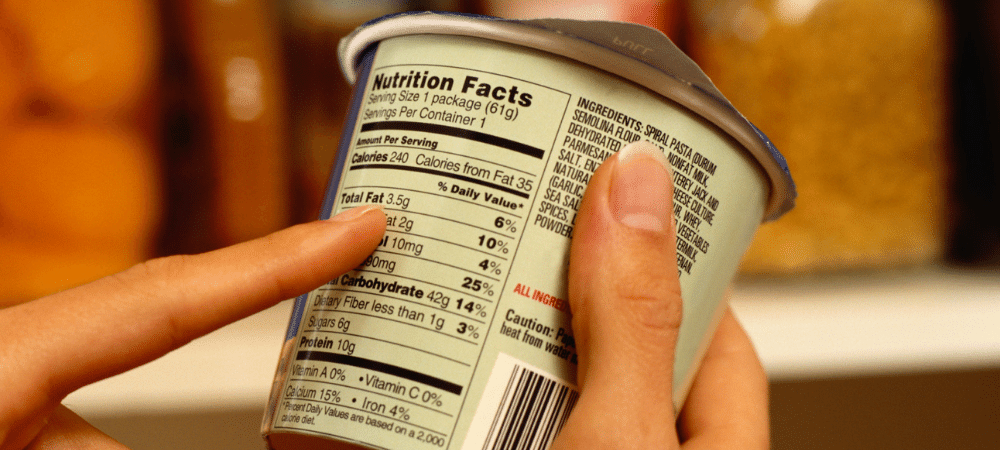

Imagine walking down the grocery aisle, feeling confident that every item in your cart is actually fueling your body. For many of us, the back of a food package looks like a confusing wall of numbers and chemical names, designed more to hide the truth than reveal it.
In my experience, once you learn how to read nutrition labels like a pro, the grocery store stops being a minefield of marketing traps and starts being a tool for your preventative care. Let’s look at the science of what truly matters on those tiny black-and-white grids.
The “Front-of-Pack” Trap: Why You Should Flip the Box
The biggest mistake most shoppers make is trusting the front of the packaging. Large, bold claims like “Natural,” “Heart Healthy,” or “Immunity Boosting” are often marketing fluff. In the world of metabolic health, these terms aren’t always strictly regulated.
The real story is always on the back. To shop like a pro, you must ignore the colorful buzzwords and go straight to the Nutrition Facts and the Ingredient List.
1. The Serving Size Secret
The first thing you must check is the Serving Size. Manufacturers often list a surprisingly small serving size to make the calorie and sugar counts look lower.
- Pro Tip: If a small bag of chips says it contains 150 calories but lists “3 servings per container,” eating the whole bag means you’ve actually consumed 450 calories.
- The Goal: Always multiply the numbers by how much you actually plan to eat.
2. The Ingredient List: The Rule of Three
In my experience, the ingredient list is more important than the calorie count. Ingredients are listed in descending order by weight.
- The Top Three: The first three ingredients make up the bulk of what you are eating. If sugar, refined flour, or hydrogenated oils are in the top three, put it back.
- Length Matters: A wellness routine thrives on whole foods. If a “healthy” granola bar has 25 ingredients and half of them sound like a chemistry experiment, it’s a highly processed food that may spike your blood glucose levels.
3. Sugar’s Many Secret Names
This is where most people get tripped up. A product might claim “No Added Sugar” but contain five different types of sweeteners under technical names. To truly know how to read nutrition labels like a pro, you must recognize sugar’s alter egos:
- The “Ose” Group: Sucrose, high-fructose corn syrup, maltose, dextrose.
- The “Syrups”: Agave nectar, rice syrup, malt syrup.
- The “Healthy” Masks: Fruit juice concentrate, honey, or coconut sugar (they still impact your metabolic health).
4. What to Focus On: The “Good” Stuff
While we spend a lot of time looking for things to avoid, a pro also looks for what to include. For a balanced wellness routine, look for these “Green Flags”:
- Fiber: Aim for at least 3–5 grams per serving. Fiber slows down sugar absorption and keeps your gut microbiome happy.
- Protein: Essential for muscle repair and satiety, especially for those with active fitness goals.
- Healthy Fats: Look for monounsaturated and polyunsaturated fats, and avoid “Trans Fats” entirely.
5. What to Ignore: The Marketing Myths
When you’re learning how to read nutrition labels like a pro, knowing what to ignore is just as vital as knowing what to read.
Practical Step: The “Five Ingredient Test”
Let’s try a small lifestyle scenario.
- Before: You grab a “Protein Pack” that looks healthy but contains 30 ingredients, including preservatives and artificial dyes.
- After: You apply the Pro Rule. You find a pack of roasted nuts and seeds with only three ingredients: Almonds, Pumpkin Seeds, and Sea Salt.
The second option supports your long-term preventative care and keeps your energy stable throughout the day.
The 7-Day “Label Detective” Challenge
Are you ready to transform your kitchen? Here is your challenge for the upcoming week:
The Challenge:
- Day 1-3: Every time you reach for a packaged snack, find the first three ingredients. If one of them is a sugar or refined oil, try to swap it for a whole-food alternative.
- Day 4-6: Check the Sodium content of your favorite “savory” foods. Aim for items with less than 5% of your Daily Value per serving.
- Day 7: Clean out your pantry. Donate or discard items where the ingredient list is longer than a short story.
Thought-Provoking Question: How often do you buy something just because the box is green or says “Organic,” without checking what’s actually inside?
Conclusion
Learning how to read nutrition labels like a pro is the ultimate “life hack” for your health. It moves you away from being a passive consumer and makes you an active guardian of your own metabolic health.
Next time you go shopping, don’t let the front of the box talk to you. Flip it over, read the fine print, and make choices that your body will thank you for years from now.
Stay informed and stay healthy. For more expert insights on nutrition and preventative care, visit health.wonderpost.in daily.