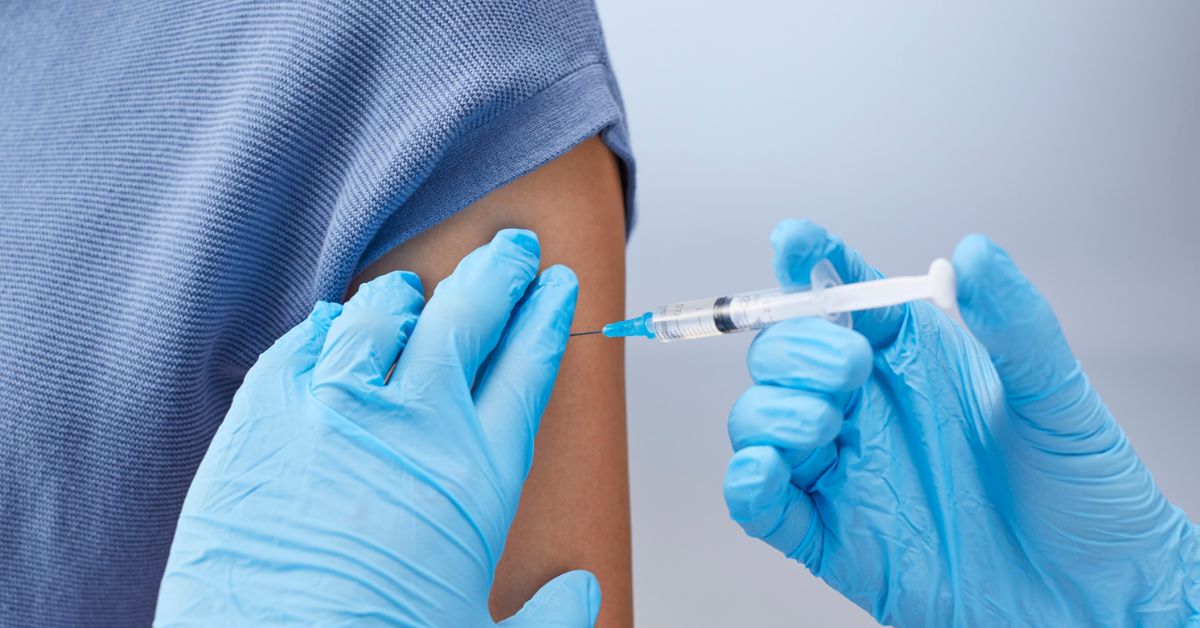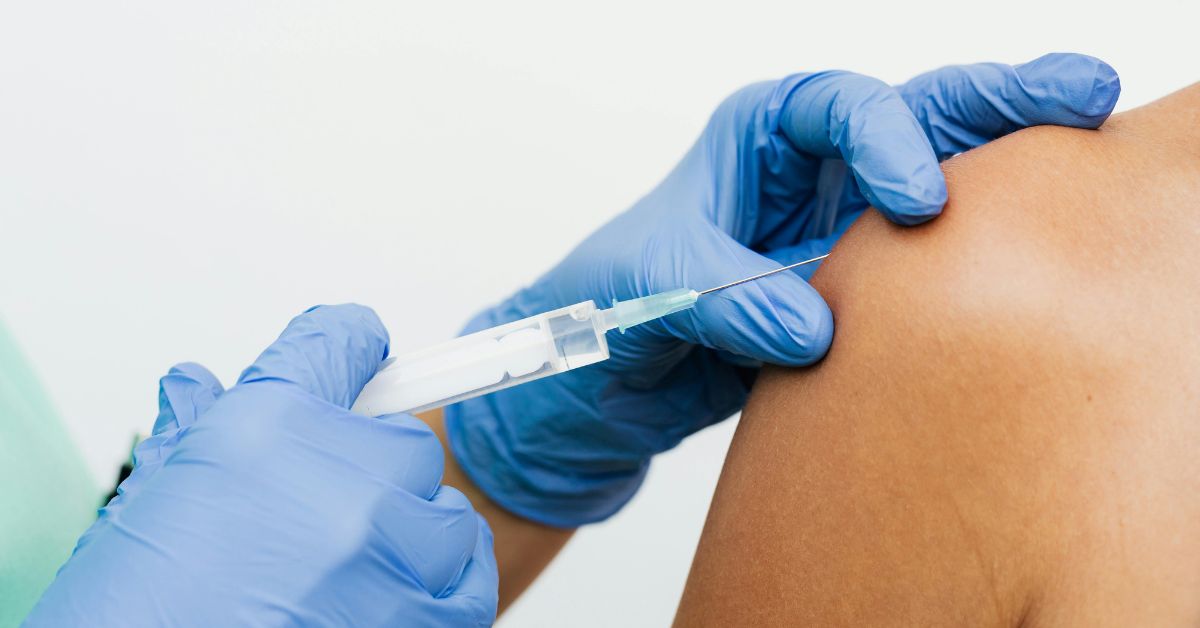


The first few days with a newborn are a whirlwind of swaddles, sleepless nights, and overwhelming love. Amidst the joy, a small but significant medical procedure takes place: the Newborn Screening Heel Prick Test.
While no parent likes the idea of their baby feeling even a second of discomfort, this quick test is arguably the most important “insurance policy” your child will ever receive. In my experience, understanding the why behind the prick transforms a moment of anxiety into a powerful act of preventative care.
What Exactly is the Heel Prick Test?
Often referred to as the “Guthrie Test” or simply Newborn Screening, the heel prick is a routine blood test performed on babies when they are between 48 and 72 hours old.
Let’s look at the science: A healthcare professional pricks the baby’s heel to collect a few drops of blood on a special filter paper card. This card is then sent to a laboratory to screen for a variety of rare but serious genetic, endocrine, and metabolic health conditions.
Why the Heel?
You might wonder, “Why not the arm?” A newborn’s veins are tiny and delicate. The heel has a rich supply of capillary blood, making it the safest and most efficient spot to gather a sample without causing unnecessary stress to the infant’s circulatory system.
The Hidden Power of Early Detection
The brilliance of Newborn Screening is that it identifies conditions before any symptoms appear. Many of the disorders tested—such as Phenylketonuria (PKU) or Congenital Hypothyroidism—are invisible at birth. A baby may look perfectly healthy, but their body might struggle to process certain nutrients or hormones.
Preventing Permanent Damage
If left untreated, these conditions can lead to developmental delays, intellectual disabilities, or chronic physical illness. However, when caught via the Heel Prick Test, doctors can implement a specialized wellness routine—often just a change in diet or a simple daily medication—that allows the child to live a completely normal, healthy life.
What Does the Test Screen For?
While the specific panel of diseases varies by country and hospital (many private hospitals in India now offer expanded panels), the Newborn Screening Heel Prick Test typically checks for:
- Metabolic Disorders: Issues where the body can’t break down fats, proteins, or sugars (like Galactosemia).
- Endocrine Disorders: Problems with hormone production, such as Congenital Adrenal Hyperplasia.
- Hemoglobin Disorders: Conditions like Sickle Cell Disease that affect how oxygen is carried in the blood.
- Cystic Fibrosis: A genetic condition affecting the lungs and digestive system.
A Calm Experience: Tips for Parents
Imagine waking up feeling prepared rather than panicked when the nurse enters the room. You can actually help the process go smoother for your little one.
- Feed Beforehand: A well-fed baby is usually calmer. Being full also increases blood flow to the extremities, making the collection faster.
- Skin-to-Skin Contact: Holding your baby during the prick provides immediate comfort and reduces the pain response through the release of oxytocin.
- The Power of Warmth: Keeping the baby’s foot warm (perhaps with a warm cloth) helps the blood flow more easily.
Understanding the Results: “No News is Good News”
In most healthcare systems, you will only be contacted if the Heel Prick Test shows an abnormal result.
Important Note: An abnormal result does not always mean your baby has a disease. It simply means a second, more specific diagnostic test is required. Sometimes, a sample is “borderline” because the baby was tested too early or didn’t have enough to drink before the test.
Why Every Modern Parent Needs a Wellness Mindset
In the hustle of modern life, we often focus on reactive medicine—fixing things when they break. But true health is built on preventative care. By ensuring your child undergoes Newborn Screening, you are practicing the ultimate form of proactive health management.
Think about your own wellness routine. You likely track your steps, watch your sugar intake, or practice mindfulness to stay ahead of health issues. This test is simply your baby’s very first step into that world of health consciousness.
The “New Parent” Health Challenge
It’s easy to get lost in the sea of medical jargon. This week, we challenge you to be your family’s Chief Health Officer.
The Knowledge Challenge:
- Ask the Question: If you are expecting, ask your pediatrician or hospital exactly which conditions are included in their Newborn Screening panel.
- The Folder System: Create a “Health Passport” folder (digital or physical) for your baby. Make the Heel Prick Test results your very first entry.
- Share the Wisdom: Talk to one other expecting parent about the importance of early screening.
Thought-Provoking Question: We spend months picking out the perfect crib and stroller, but have we spent enough time understanding the biological blueprint of our children?
Conclusion
The Newborn Screening Heel Prick Test is a small moment of discomfort for a lifetime of benefit. It is the cornerstone of preventative care, ensuring that every child starts their journey with the best possible medical support.
As a parent, your job isn’t just to protect them from the world, but to give their body the best chance to thrive within it. Don’t skip this tiny prick—it’s the biggest “welcome to the world” gift you can give.
For more expert insights into family health and metabolic health, stay tuned to health.wonderpost.in—your partner in a vibrant, holistic lifestyle.