
Imagine the incredible complexity of your body: a single papercut triggers a microscopic “repair crew” to seal the wound instantly. But what happens when that crew doesn’t show up?
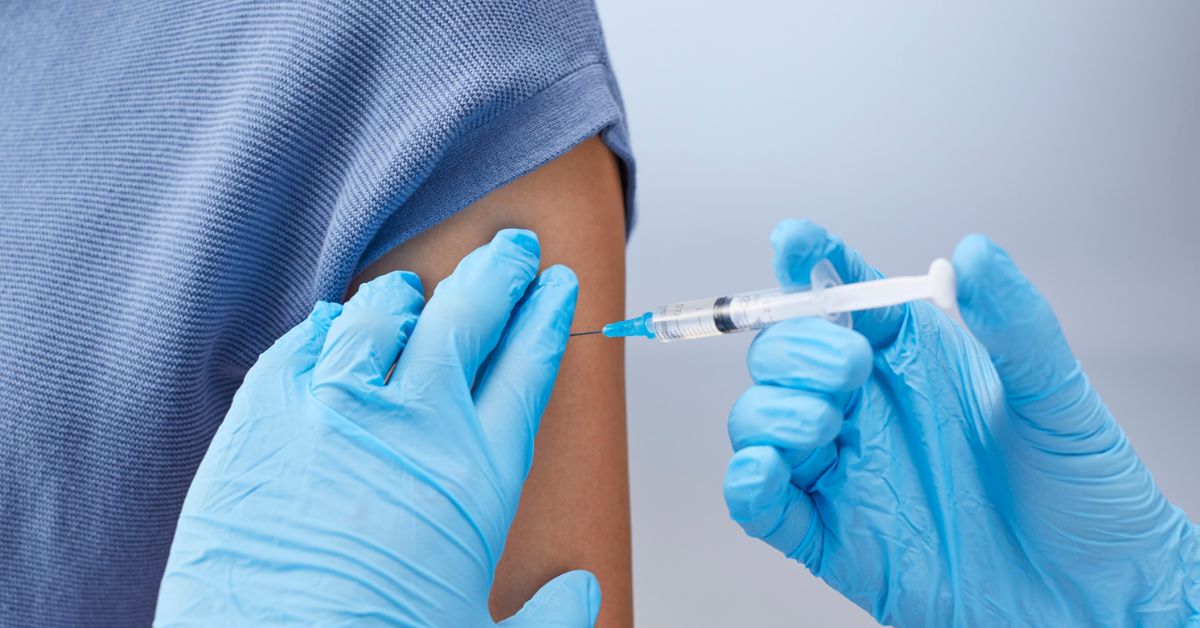
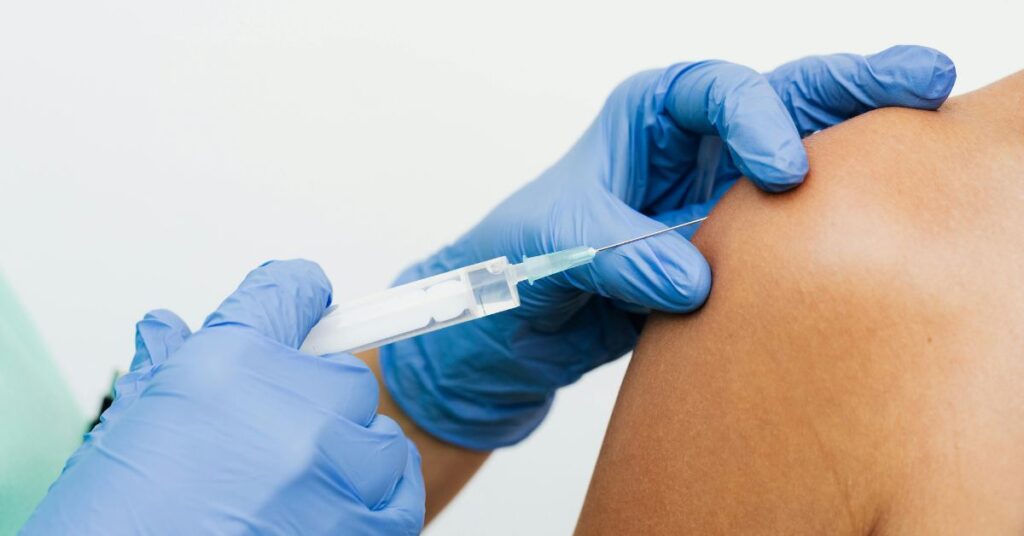
For newborns and certain adults, the Vitamin K injection for prevention of bleeding is the essential spark that keeps this life-saving system running. Whether you are a new parent or someone focusing on long-term preventative care, understanding this “clotting vitamin” is a cornerstone of a complete wellness routine.
The “Clotting Factor”: Why Vitamin K Matters
Let’s look at the science: Vitamin K is a fat-soluble nutrient that the liver uses to produce proteins responsible for blood clotting. Without it, the blood simply cannot thicken when needed, leading to internal or external bleeding that can become dangerous very quickly.
While we often focus on “superfoods” for weight loss or energy, Vitamin K is the silent guardian of our metabolic health. It doesn’t just help with cuts; it plays a role in bone density and cardiovascular health by ensuring calcium ends up in your bones and not your arteries.
The Newborn Necessity: Why the Injection?
In my experience as a health journalist, the most common question I hear from parents is: “Why does my baby need a shot immediately after birth?”
The answer lies in a biological quirk. Babies are born with very low levels of Vitamin K because:
- Limited Transfer: Vitamin K does not cross the placenta easily during pregnancy.
- Sterile Gut: Newborns don’t have the gut bacteria yet to produce their own Vitamin K.
- Low Levels in Milk: Breast milk, while perfect in almost every other way, is naturally low in this specific nutrient.
This is why the Vitamin K injection for prevention of bleeding is standard practice globally. It prevents a rare but devastating condition called Vitamin K Deficiency Bleeding (VKDB), which can cause bleeding into the brain.
Beyond Infancy: When Adults Need Support
While the injection is famous in delivery rooms, adults sometimes require a boost to manage their preventative care. You might be at risk for Vitamin K issues if you deal with:
- Malabsorption Issues: Conditions like Celiac disease or IBS that prevent the gut from absorbing fat-soluble vitamins.
- Liver Disease: Since the liver processes clotting factors, any damage here disrupts the whole system.
- Long-term Antibiotics: These can kill the “good” gut bacteria that synthesize Vitamin K.
How It Works: The Biological “Glue”
When you receive a Vitamin K injection for prevention of bleeding, your body immediately begins synthesizing four key proteins. Think of these as the “glue” that holds your circulatory system together.
The Benefits of the Injection vs. Oral Supplements:
- Speed: Injections bypass the digestive system, entering the bloodstream and liver directly.
- Reliability: Oral doses can be vomited up by infants or poorly absorbed by adults with digestive issues.
- Longevity: A single injection provides a “reservoir” of the vitamin that lasts until a baby starts eating solid foods or an adult’s levels stabilize.
Signs of Vitamin K Deficiency
How do you know if your metabolic health is struggling in the clotting department? Watch for these “red flags”:
- Easy Bruising: Dark marks appearing from the slightest bump.
- Small Blood Clots: Noticed under the fingernails.
- Mucous Membrane Bleeding: Frequent nosebleeds or bleeding gums during a standard wellness routine like brushing teeth.
- Heavy Menstrual Cycles: A common but often overlooked sign in women.
Integrating Vitamin K into Your Wellness Routine
While the Vitamin K injection for prevention of bleeding is a medical intervention, you can support your levels daily through nutrition. There are two main types:
- Vitamin K1 (Phylloquinone): Found in leafy greens like spinach, kale, and broccoli.
- Vitamin K2 (Menaquinone): Found in fermented foods like natto, certain cheeses, and grass-fed butter.
Pro-Tip: Because Vitamin K is fat-soluble, always eat your greens with a healthy fat (like olive oil or avocado) to ensure your body can actually absorb the nutrient!
Common Myths vs. Facts
| Myth | Fact |
|---|---|
| “It’s a vaccine.” | False. It is a pure vitamin supplement, not an immunization. |
| “Diet alone is enough for newborns.” | False. Babies cannot eat enough greens, and breast milk levels are too low to prevent VKDB. |
| “More is always better.” | False. If you are on blood thinners (like Warfarin), you must coordinate Vitamin K intake with your doctor. |
A Note on Holistic Harmony
Imagine waking up feeling confident that your body’s internal repair systems are primed and ready. That peace of mind is what preventative care is all about. Whether it’s the first shot a baby receives or the dietary choices an adult makes, Vitamin K is an unsung hero of human biology.
Thought-Provoking Question: When was the last time you checked your “clotting health”? Do you notice bruises that linger longer than they should?
The “Green Plate” Health Challenge
Ready to fortify your metabolic health? Here is your challenge for the week:
The 7-Day Vitamin K Boost:
- The Goal: Include one serving of “deep greens” (spinach, kale, or fenugreek/methi) in your lunch or dinner every day for 7 days.
- The Twist: Add a teaspoon of healthy cold-pressed oil to the dish to maximize absorption.
- The Result: Track your energy levels and skin health. You might be surprised at how much better your body feels when it has the right “building blocks.”
Conclusion
The Vitamin K injection for prevention of bleeding is one of the simplest, most effective medical interventions in modern history. By understanding its role—from the delivery room to the dinner table—you are taking a massive step toward a proactive, empowered health journey.
For more insights into metabolic health and life-saving preventative care, stay tuned to Health Wonderpost.
Disclaimer: This article is for informational purposes and does not replace professional medical advice. Always consult with a healthcare provider regarding injections or significant dietary changes.