
For many men, the topic of reproductive health feels like a “black box”—something we don’t think about until we’re ready to start a family. But here is the truth: your sperm motility is one of the most vital indicators of your overall biological vitality.
Imagine waking up feeling like every cell in your body is performing at its peak. When we talk about sperm motility: swimming ability optimization, we aren’t just talking about fertility; we are talking about a reflection of your metabolic health and systemic inflammation levels.
What is Sperm Motility and Why Does it Matter?
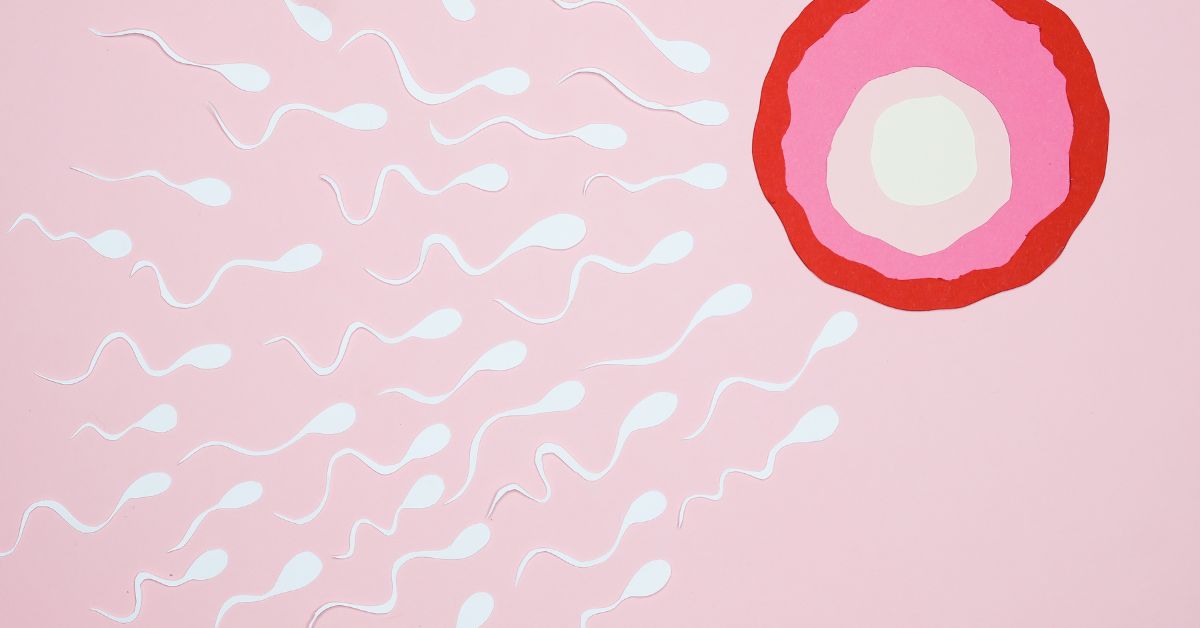
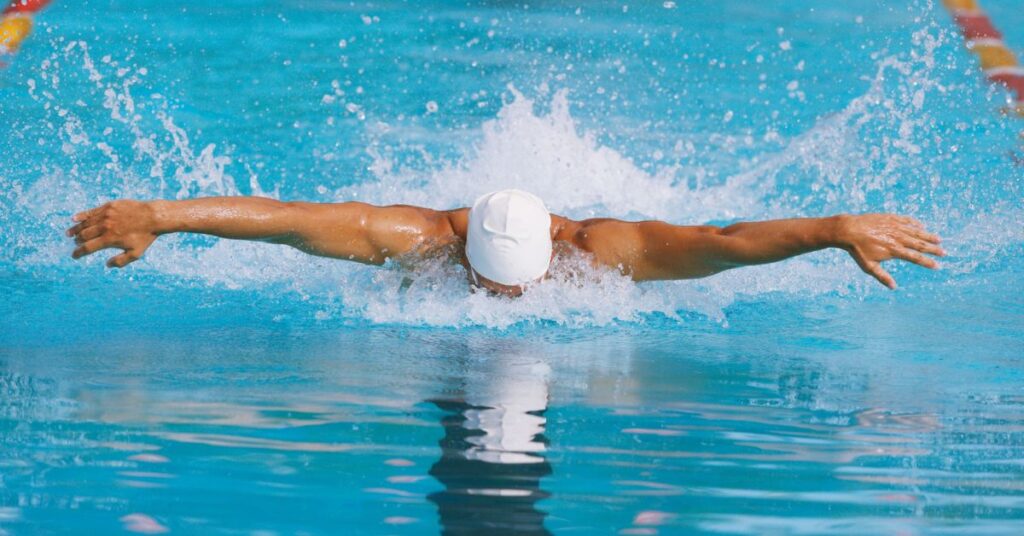
Let’s look at the science: For a successful journey, sperm don’t just need to be present; they need to be “marathon runners.” Sperm motility refers to the ability of sperm to move efficiently through the female reproductive tract to reach the egg.
In the medical world, we categorize this into two types:
- Progressive Motility: Sperm that swim in a mostly straight line or large circles.
- Non-progressive Motility: Sperm that move but don’t travel forward (like swimming in place).
If the “swimming ability” is compromised, the chances of natural conception drop significantly. However, because sperm take about 74 to 90 days to fully mature, the lifestyle choices you make today can literally change your biological profile three months from now.
The Pillars of Swimming Ability Optimization
Improving sperm motility isn’t about a “magic pill.” It’s about creating an internal environment where your cells can thrive.
1. Fueling the Engines: Nutrition and Antioxidants
The “tail” of a sperm cell requires immense energy to whip back and forth. This process creates oxidative stress. If your body is flooded with antioxidants, it protects the sperm from damage.
- L-Carnitine: Think of this as the high-octane fuel for sperm mitochondria. Found in red meat and dairy, or via high-quality supplements.
- Zinc and Selenium: These minerals are the building blocks of the sperm’s structural integrity.
- Lycopene: Found in cooked tomatoes, this powerful antioxidant has been shown to improve the “straight-line” swimming speed of sperm.
2. Temperature Control: The “Cooling” Factor
There is a biological reason why the testes are located outside the body. They need to be roughly 2°C to 3°C cooler than the rest of your core.
In my experience, many busy professionals inadvertently “cook” their sperm by:
- Sitting with a laptop directly on their lap for hours.
- Using heated car seats during long commutes.
- Wearing overly tight synthetic underwear instead of breathable cotton.
3. The Impact of Metabolic Health
Your metabolic health is inextricably linked to your hormone levels. Excess body fat, particularly around the midsection, can convert testosterone into estrogen. This hormonal shift acts like a “brake” on your sperm’s swimming ability.
Practical Steps for Your Wellness Routine
How do you integrate sperm motility: swimming ability optimization into a hectic schedule? It’s simpler than you think.
The “Sperm-Friendly” Daily Checklist:
- Ditch the Sedentary Trap: If you sit for more than 8 hours a day, your pelvic floor heat increases. Stand up and walk for 5 minutes every hour to improve blood flow.
- Hydrate Like a Pro: Sperm is carried in seminal fluid, which is mostly water. Dehydration leads to thicker fluid, making it harder for sperm to swim.
- Manage Cortisol: High stress triggers the release of cortisol, which actively suppresses the production of Gonadotropin-releasing hormone (GnRH), the master switch for sperm production.
Environmental Triggers to Avoid
Sometimes, preventative care is about what you don’t do. Modern life is full of “endocrine disruptors” that act as invisible anchors on sperm motility.
- BPA and Phthalates: Found in some plastic containers and receipts. Switch to glass or stainless steel for your water and food storage.
- Heavy Metals: Smoking (including vaping) introduces cadmium and lead into the bloodstream, which significantly impairs the “swimming ability” of sperm cells.
Lifestyle Scenario: The 90-Day Turnaround
Before: Rohan, a 34-year-old software engineer, drank five coffees a day, slept 5 hours, and kept his laptop on his lap. His motility score was below 30%.
After: Rohan shifted to a wellness routine that included a 20-minute morning walk, switched to loose boxers, added a Zinc-rich diet, and used a desk stand for his laptop. Three months later, his sperm motility showed a 25% improvement in progressive movement.
The takeaway? Your body is remarkably resilient if you give it the right tools.
The “Vitality Challenge” for the Reader
Are you curious about your own biological “horsepower”?
Thought-provoking question: When was the last time you prioritized your reproductive health as much as your career or your workout gains?
The 14-Day “Cool & Clean” Challenge:
- Week 1: Swap all plastic water bottles for glass or steel and move your laptop to a table only.
- Week 2: Incorporate one serving of “sperm superfoods” (walnuts, tomatoes, or pumpkin seeds) into your daily lunch.
- The Goal: Notice if your overall energy levels and libido improve—these are often the first signs that your internal “swimming ability” is on the rise.
Final Thoughts
Optimizing sperm motility is a journey of preventative care that benefits your entire body. When you eat for your sperm, you are eating for your heart and your brain. When you manage heat and stress for your fertility, you are protecting your longevity.
Don’t wait for a “fertility crisis” to start caring. Small, consistent shifts in your wellness routine today lead to a vibrant, healthy legacy tomorrow.