
When we talk about reproductive health, the conversation often centers on “numbers.” But in the world of fertility, quality frequently trumps quantity. If you’ve ever looked at a semen analysis report and felt overwhelmed by the technical jargon, you’re not alone.
Sperm morphology: shape and structure refers to how a sperm cell looks under a microscope. It’s a vital piece of the fertility puzzle that tells us how well the body is producing these specialized cells. Let’s look at the science behind why shape matters and how your daily habits play a starring role.
What Exactly is Sperm Morphology?
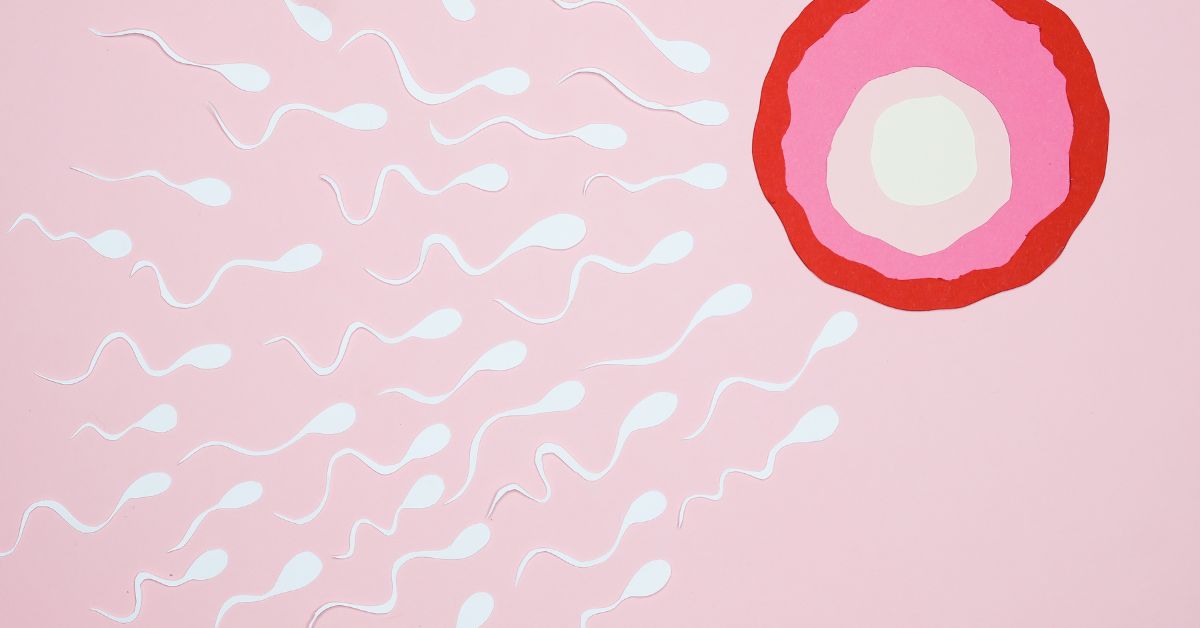
Think of a sperm cell like a high-performance athlete. To complete its journey, it needs to be streamlined and aerodynamic. A “normal” sperm cell consists of an oval head with a cap-like structure called an acrosome, a midpiece packed with energy-producing mitochondria, and a long, whip-like tail.
In a typical lab result, sperm morphology: shape and structure is graded based on how many sperm meet these “ideal” criteria. It might surprise you to learn that even in very fertile men, a large percentage of sperm are shaped abnormally. The goal isn’t perfection; it’s a healthy proportion of “normal” cells.
Why Does the Shape Matter?
The shape of a sperm cell isn’t just about aesthetics; it’s about function.
- The Head: Contains the genetic material. If the head is too large, too small, or misshapen, it may struggle to penetrate the egg’s outer layer.
- The Midpiece: This is the engine room. If this part is defective, the sperm won’t have the “fuel” to make the long swim.
- The Tail: A crooked or doubled tail makes it difficult for the sperm to swim in a straight line, a factor often linked with sperm motility.
The Kruger “Strict” Criteria
Most modern labs use the Kruger Strict Criteria. Under this system, a score of 4% or higher of normal-shaped sperm is considered healthy. While a lower score can feel discouraging, it is important to remember that morphology is just one factor alongside count and movement.
The Connection to Metabolic Health
In my experience, many men view fertility as a localized issue. However, the production of healthy sperm is a systemic process. Your metabolic health—the way your body processes energy—directly impacts the environment where sperm are created.
Insulin resistance, high blood sugar, and systemic inflammation create oxidative stress. This stress can damage the DNA and physical structure of developing sperm. Imagine trying to build a delicate glass sculpture in the middle of a windstorm; that is what it’s like for your body to produce healthy sperm when your metabolism is out of balance.
Lifestyle Factors: Can You Improve Morphology?
The good news? Sperm are produced in a cycle that lasts roughly 75 to 90 days. This means the changes you make to your wellness routine today can manifest in better results three months from now.
1. Temperature Control
The testes are located outside the body for a reason: they need to stay about 2°C to 3°C cooler than the rest of you. Frequent use of hot tubs, laptops placed directly on the lap, or excessively tight clothing can “cook” developing sperm, leading to structural defects.
2. Nutritional Support
Specific micronutrients act as the building blocks for healthy sperm structure:
- Zinc & Selenium: Vital for the “glue” that holds the sperm structure together.
- CoQ10: Supports the mitochondria in the midpiece.
- L-carnitine: Essential for tail development and movement.
3. Avoiding Environmental Toxins
Exposure to heavy metals, pesticides, and certain plastics (BPA) can disrupt the endocrine system. Choosing organic produce where possible and swapping plastic water bottles for stainless steel are simple steps in preventative care.
A Relatable Shift: The “Desk Warrior” Scenario
- The Before: A busy professional sits for 10 hours a day, drinks four cups of coffee, and sleeps 5 hours. His body is in a constant state of “fight or flight,” diverting resources away from reproductive health.
- The After: He incorporates a standing desk, swaps two coffees for green tea (rich in antioxidants), and prioritizes 7 hours of sleep. By reducing oxidative stress, he provides his body the stability needed to improve sperm morphology: shape and structure.
Thought-provoking question: When was the last time you took a “movement break” during your workday to improve circulation and reduce pelvic heat?
Practical Checklist for Better Sperm Health
If you are looking to optimize your results, consider these points:
| Action Item | Why it Helps |
| Quit Smoking/Vaping | Nicotine is a major cause of sperm DNA fragmentation. |
| Limit Alcohol | Excess alcohol can lower testosterone and impact cell shape. |
| Manage Stress | High cortisol levels interfere with the hormones that signal sperm production. |
| Standardize Sleep | Testosterone is primarily produced while you sleep. |
The 90-Day “Cellular Reset” Challenge
Since sperm take about three months to mature, I invite you to try this “Cellular Reset.”
- Month 1: Focus entirely on metabolic health. Cut out ultra-processed sugars to lower inflammation.
- Month 2: Add a “Fertility Walk.” 30 minutes of brisk walking daily improves blood flow to the reproductive organs.
- Month 3: Consistency is key. Maintain your nutrient-dense diet and keep the “cool” environment (no hot baths!).
The Question: Can you commit to 90 days of better habits for a lifetime of improved health?
Conclusion
Understanding sperm morphology: shape and structure shouldn’t be a source of anxiety. Instead, look at it as a biological “status report.” It’s an invitation to look at your overall preventative care and make adjustments that benefit not just your fertility, but your heart health, energy levels, and longevity.
Fertility is a journey of a thousand tiny steps. Start with one today.