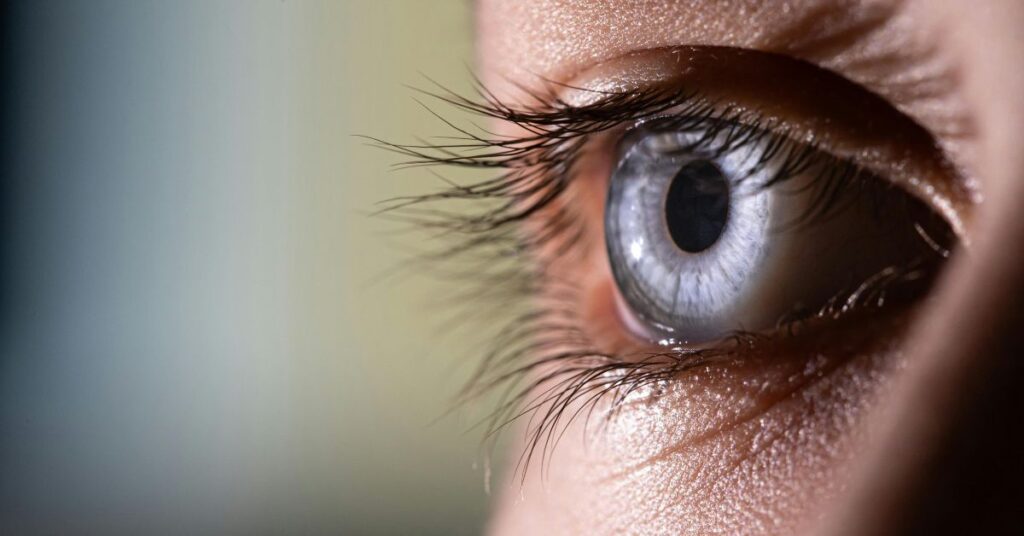

Your eyes are often called the windows to your soul, but in the world of medicine, they are also highly sensitive entry points for bacteria and viruses. Whether you are treating seasonal allergies, dry eyes from long hours at a computer, or recovering from surgery, using eyedrops: infection prevention is the most critical skill you can master to protect your sight.
Imagine waking up feeling refreshed, with clear, bright eyes—only to realize that a simple mistake in your morning routine caused a painful infection. Let’s look at the science behind ocular hygiene and how you can keep your vision crystal clear.
The Hidden Risks of Improper Use
Most people view eye drops as harmless over-the-counter tools. However, the eye’s surface is protected by a delicate tear film. When we introduce a contaminated dropper tip or use expired solution, we bypass the eye’s natural defenses.
In my experience, the most common cause of “self-induced” eye infections isn’t the medication itself, but the way it is handled. Without a strict focus on eyedrops: infection prevention, a simple treatment for redness can spiral into bacterial keratitis or severe conjunctivitis.
Golden Rules for Eyedrops: Infection Prevention
To maintain a high-standard wellness routine, you must treat your eye medication with the same sterility as a surgical tool. Here is a point-wise breakdown of how to handle your drops safely.
1. The “No-Touch” Zone
The single most important rule is this: Never let the tip of the dropper touch anything. This includes your eyelashes, your eyelid, and especially your fingers.
- The Science: Once the tip touches a surface, bacteria can migrate into the bottle, contaminating the entire remaining solution.
2. Hand Hygiene is Non-Negotiable
Before you even reach for the bottle, wash your hands with soap and water for at least 20 seconds. If you are a busy professional on the go, keep a high-quality sanitizer nearby, but water and soap remain the gold standard for preventative care.
3. Check the “Discard Date”
Did you know that most multi-use eyedrop bottles should be thrown away 28 days after opening? Even if there is liquid left, the preservatives may no longer be effective at keeping the solution sterile.
- Pro Tip: Use a permanent marker to write the date you opened the bottle directly on the label.
Step-By-Step: The Sterile Application Technique
Applying drops incorrectly can lead to systemic absorption (where the medicine enters your bloodstream) or, worse, injury to the cornea.
- Tilt and Pull: Tilt your head back and gently pull down your lower eyelid to create a small “pocket.”
- The Drop: Look upward and squeeze one drop into the pocket. Do not let the bottle touch your eye.
- The Punctal Occlusion: This sounds technical, but it’s simple. Gently press the inner corner of your eye (near the nose) for one minute. This keeps the medicine in your eye and prevents it from draining into your throat.
- Wait Between Drops: If you use multiple types of drops, wait at least 5 minutes between them to prevent “washing out” the first dose.
Eye Health and Your Overall Wellness
We often talk about metabolic health in terms of diet and exercise, but our eyes are deeply connected to our internal systems. For instance, individuals with fluctuating blood sugar levels often experience dry eyes or blurred vision.
When you prioritize eyedrops: infection prevention, you are practicing a form of holistic preventative care. Keeping the ocular surface healthy prevents inflammation that can tax your immune system.
A “Before and After” Scenario:
- The Common Mistake: Rahul, a software engineer, keeps his dry-eye drops on his dusty desk. He applies them quickly between meetings, occasionally touching the dropper to his lashes. Within three days, he develops a “stye” and blurred vision.
- The Wellness Approach: Rahul moves his drops to a clean drawer. He uses a hand sanitizer before application and ensures the tip never touches his eye. His dry eyes improve without any secondary infections.
Storage: Where You Put Them Matters
Where do you keep your eyedrops? If they are sitting in a hot car or a humid bathroom, you might be compromising their chemical stability.
- Temperature Control: Most drops should be kept at room temperature, away from direct sunlight. Some prescription drops require refrigeration—always check the insert.
- The Cap Rule: Always replace the cap immediately after use. Leaving the bottle open, even for a minute, invites airborne contaminants.
When to See a Specialist
While eyedrops: infection prevention helps avoid issues, you should know the “red flag” symptoms. If you experience the following, stop using the drops and consult an ophthalmologist:
- Sudden loss of vision.
- Increased pain or “gritty” sensation.
- Excessive yellow or green discharge.
- Severe swelling of the eyelids.
The 5-Day “Clear Sight” Challenge
Is your eye care routine as clean as it could be? Take this small challenge to upgrade your wellness routine:
- Audit Your Cabinet: Check the expiration and “opened” dates on every bottle of drops in your house. Toss anything older than 30 days.
- The Marker Hack: Place a marker next to your eyedrops today. Commit to dating every new bottle you open.
- Perfect the Press: Practice the “punctal occlusion” (pressing the corner of the eye) for one minute during your next application.
Thought-Provoking Question: How many times a day do you subconsciously rub your eyes with unwashed hands? Could this be the root of your recurring redness?
Conclusion
Mastering the use of eyedrops: infection prevention is a small habit that pays massive dividends for your quality of life. Our eyes allow us to connect with our loved ones, excel at our jobs, and navigate the world. By treating them with the sterile care they deserve, you are ensuring your vision remains a vibrant part of your future.
Don’t let a simple drop become a complicated problem. Start your sterile routine today!