

That colorful bag of chips or the “healthy” instant oats in your pantry might be doing more than just satisfying a quick craving. In our fast-paced lives—from Mumbai to New York—convenience often comes with a hidden biological price tag.
The truth about processed foods is that they aren’t just “food in a box”; they are often chemically engineered products that talk to your hormones in a language your body doesn’t quite understand. Let’s peel back the label and see what’s really happening inside.
Not All Processing is Equal: The Spectrum
In my experience, people often feel guilty about eating anything that comes in a package. But let’s look at the science: processing exists on a scale.
- Minimally Processed: Pre-cut spinach or roasted chickpeas. These are your friends!
- Moderately Processed: Canned tomatoes or frozen peas (often frozen at peak ripeness).
- Ultra-Processed Foods (UPFs): This is where the concern lies. These are industrial formulations of salt, sugar, oils, and additives like emulsifiers and flavor enhancers. Think soda, instant noodles, and packaged snacks.
What Happens Inside: The Biological Chain Reaction
When you consume ultra-processed items, your body undergoes a series of rapid changes that can disrupt your long-term wellness routine.
1. The Glucose Rollercoaster
Processed foods are often stripped of fiber, meaning they digest almost instantly. This leads to a massive spike in blood glucose. To compensate, your pancreas pumps out insulin. Over time, these frequent spikes can lead to insulin resistance, a cornerstone of poor metabolic health.
2. The Gut Microbiome Meltdown
Imagine your gut as a thriving garden. Ultra-processed foods act like a harsh pesticide. Ingredients like emulsifiers (used to keep peanut butter smooth or bread soft) can break down the protective lining of your gut, potentially leading to low-grade inflammation.
3. The “Hyper-Palatable” Trap
Ever wondered why you can’t eat just one biscuit? Scientists design these foods to hit the “bliss point”—the perfect ratio of salt, sugar, and fat that overrides your brain’s “I’m full” signals. This keeps you in a cycle of overconsumption.
The Long-Term Impact on Preventative Care
If we treat our bodies like a high-performance vehicle, processed food is like using low-grade, contaminated fuel. In the realm of preventative care, reducing UPFs is perhaps the single most effective move you can make to avoid chronic conditions like hypertension and Type 2 diabetes.
How to Spot the “Health Halos”
The food industry is brilliant at marketing. Just because a box says “Organic,” “Gluten-Free,” or “High Protein” doesn’t mean it isn’t ultra-processed.
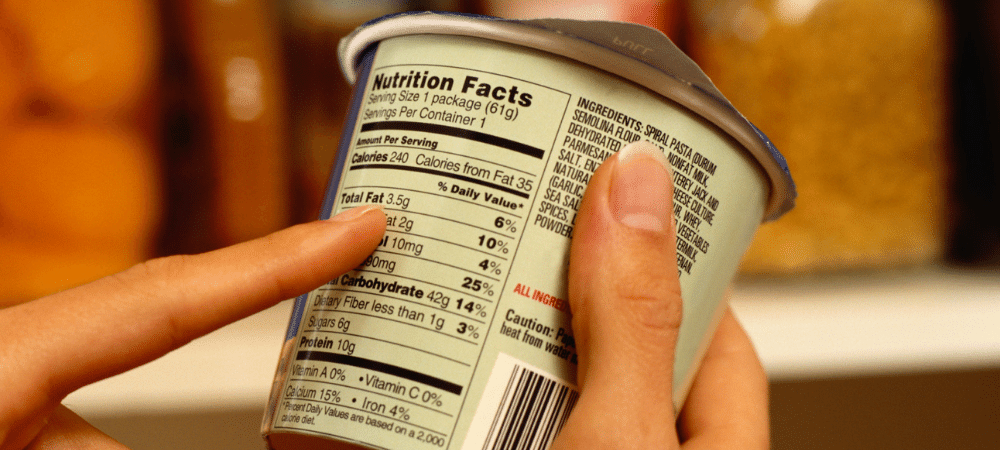
The 5-Ingredient Rule: Next time you’re at the supermarket, look at the back of the pack. If the ingredient list has more than five items—or if you can’t pronounce half of them—it’s likely an ultra-processed product. Phrases like “maltodextrin,” “high fructose corn syrup,” and “soy lecithin” are red flags for your metabolic health.
Real-Life Shift: The Energy Transformation
Let’s look at a common “Before and After” lifestyle scenario:
- Scenario A (The Processed Morning): You grab a sugary cereal and a flavored latte. By 11:00 AM, you’re experiencing a “brain fog” crash and reaching for a second coffee.
- Scenario B (The Whole Food Morning): You spend five minutes making eggs with spinach or a bowl of steel-cut oats with nuts. You feel sustained energy until 2:00 PM because the fiber and healthy fats slow down digestion.
Question for you: How often do you feel that 3:00 PM energy slump? Could it be linked to your lunch choice?
Practical Steps to “De-Process” Your Kitchen
You don’t have to overhaul your life overnight. Start with these evidence-based swaps:
- Swap the Soda: Replace flavored drinks with sparkling water infused with fresh lemon or mint.
- Upgrade Your Grains: Switch white bread for sourdough or whole-grain alternatives like millets (Ragi/Jowar), which are staples in traditional Indian preventative care.
- The “Whole” Snack: Instead of crackers, reach for a handful of walnuts or a piece of seasonal fruit.
The “Whole Food” Challenge
Are you ready to see how your body reacts to real fuel?
The “7-Day Ingredient” Challenge: For the next week, try to eat only foods that have no more than three ingredients on the label (or no label at all!).
- Notice your sleep: Do you wake up feeling more refreshed?
- Track your mood: Do you feel less irritable in the afternoons?
- Check your skin: Many people notice a “glow” after just a few days of reducing processed sugars.
Conclusion: Your Body, Your Choice
The truth about processed foods isn’t meant to scare you—it’s meant to empower you. We live in a world designed for convenience, but your health is worth the extra five minutes it takes to peel an orange or cook a real meal.
Imagine waking up feeling vibrant, with stable energy and a clear mind. That version of you starts with the very next thing you put on your plate.
Enjoyed this deep dive? Join our community at health.wonderpost.in for more tips on mastering your wellness routine and living your healthiest life.