
Imagine waking up feeling genuinely refreshed, with a steady stream of energy that carries you through your morning meetings and into your evening workout without that dreaded 3 PM slump. This isn’t just the result of a good night’s sleep; it is the direct outcome of how you fuel your body.
In my experience, we often treat food as just “calories” or “fuel,” but science tells a much deeper story. Nutrition is the biochemical process by which your body transforms food into life. It is the foundation of preventative care, acting as the software that runs your biological hardware.
Let’s look at the science of what makes a plate truly “healthy” by breaking down the two pillars of nutrition: Macronutrients and Micronutrients.
The Big Picture: What is Nutrition, Really?
At its core, nutrition is the study of nutrients in food, how the body uses them, and the relationship between diet, health, and disease. It isn’t about restrictive dieting; it’s about providing your cells with the specific building blocks they need to repair tissue, produce hormones, and maintain metabolic health.
When we talk about a wellness routine, nutrition is the most influential variable we can control. To understand it, we must divide our intake into two categories: the “Big Three” (Macros) and the “Vital Helpers” (Micros).
1. Macronutrients: The Energy Producers
Macronutrients are the nutrients your body needs in large amounts. They provide the energy (calories) required for every action, from a heartbeat to a marathon.
Carbohydrates: Your Body’s Preferred Fuel
Carbs often get a bad rap, but they are essential for brain function and high-intensity energy.
- Simple Carbs: Found in sugar and white flour; they provide quick energy but lead to crashes.
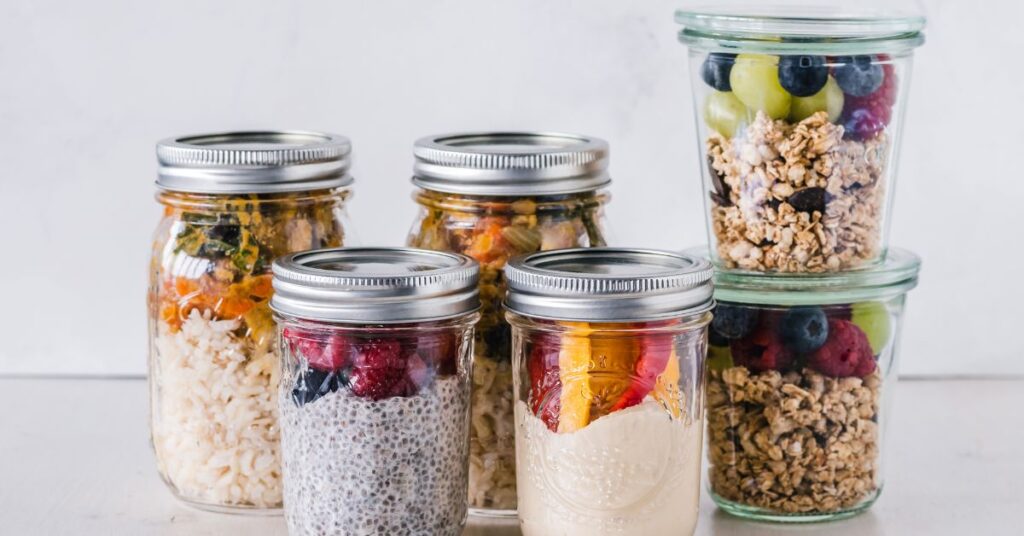
- Complex Carbs: Found in whole grains (like brown rice or millet), oats, and vegetables. These provide sustained energy and fiber.
- Practical Tip: Swap white bread for sourdough or multi-grain to keep your insulin levels stable.
Proteins: The Building Blocks
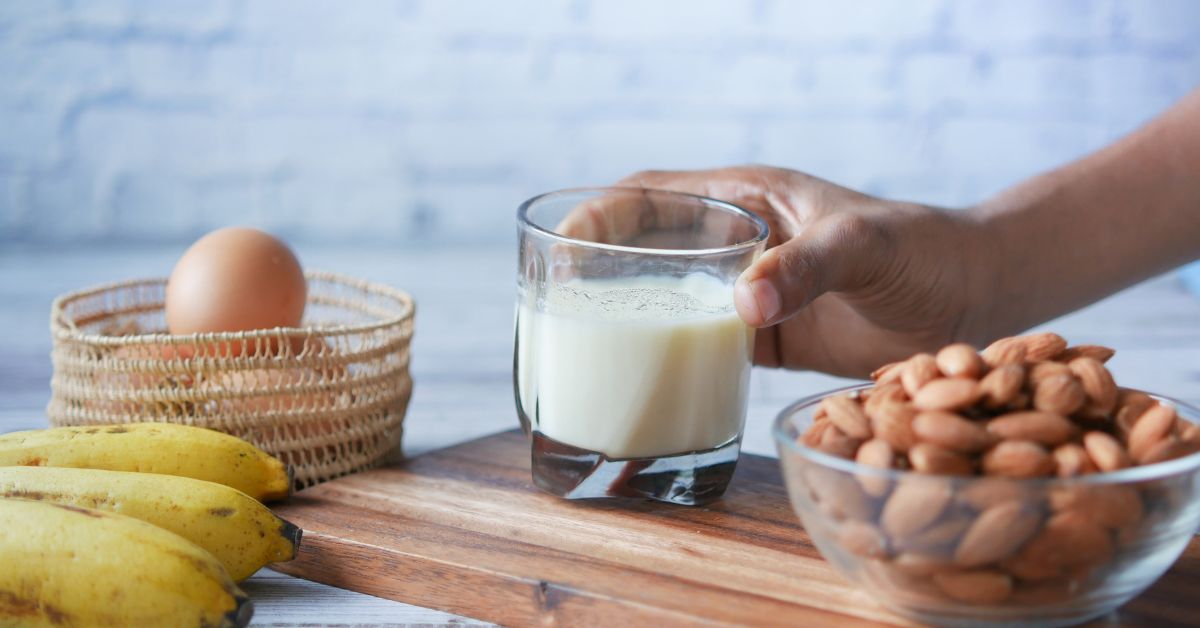
Protein is vital for muscle repair, immune function, and enzyme production. For our Indian readers, getting enough protein can sometimes be a challenge in a vegetarian-heavy diet.
- Sources: Lean meats, eggs, paneer, lentils (dal), chickpeas, and Greek yogurt.
- Why it matters: Protein has a high thermic effect, meaning your body burns more calories digesting it than it does fats or carbs.
Fats: The Hormone Harmonizers
Fats are not the enemy. They are crucial for absorbing vitamins and protecting your organs.
- Healthy Fats: Avocado, walnuts, flaxseeds, and olive oil.
- The Scenario: Imagine switching from frying snacks in refined vegetable oil to using small amounts of Ghee or cold-pressed oils. The difference in your inflammation levels and skin health can be transformative.
2. Micronutrients: The Invisible Powerhouses
If macronutrients are the fuel for the car, micronutrients are the oil and coolant that keep the engine from seizing. You only need them in small quantities, but their absence causes significant health “glitches.”
Vitamins (Organic Compounds)
Vitamins support everything from bone density to vision.
- Vitamin D: Critical for immunity (often deficient in urban professionals).
- Vitamin B12: Essential for nerve function and energy.
- Vitamin C: A powerful antioxidant for skin and repair.
Minerals (Inorganic Elements)
Minerals originate in the earth and find their way into our food.
- Iron: Carries oxygen in your blood. (Crucial for preventing fatigue).
- Magnesium: Helps with over 300 biochemical reactions, including sleep and muscle relaxation.
- Zinc: A cornerstone of a robust immune system.
The Wellness Connection: A diet high in calories but low in micronutrients leads to “hidden hunger.” You might feel full, but your cells are starving for the minerals they need to function.
Bridging the Gap: How to Build a Balanced Plate
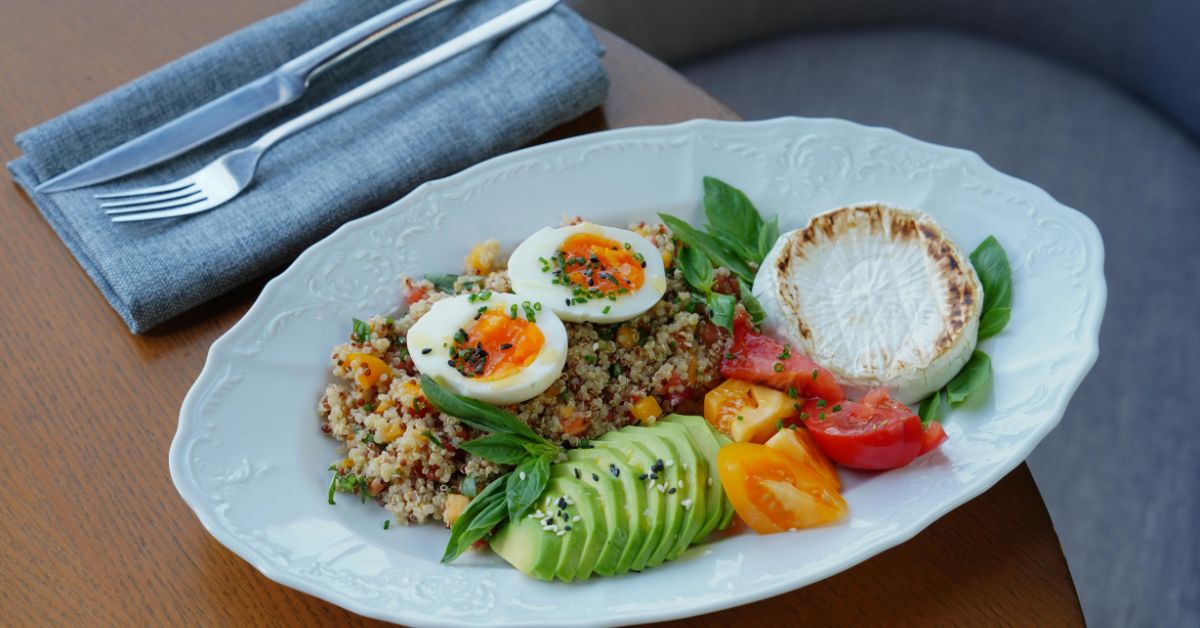
Understanding what is nutrition is one thing; applying it to a busy life is another. Whether you are a parent packing lunchboxes or a professional ordering at a restaurant, use the “Quarter-Plate Rule”:
- Half the plate: Non-starchy vegetables (Spinach, broccoli, peppers, beans). This ensures high nutrient density.
- One-quarter: High-quality protein (Chicken, tofu, dal, or fish).
- One-quarter: Complex carbohydrates (Sweet potato, quinoa, or red rice).
- A “thumb” size: Healthy fats (A drizzle of olive oil or a sprinkle of seeds).
Why Nutrient Density Matters for Preventative Care
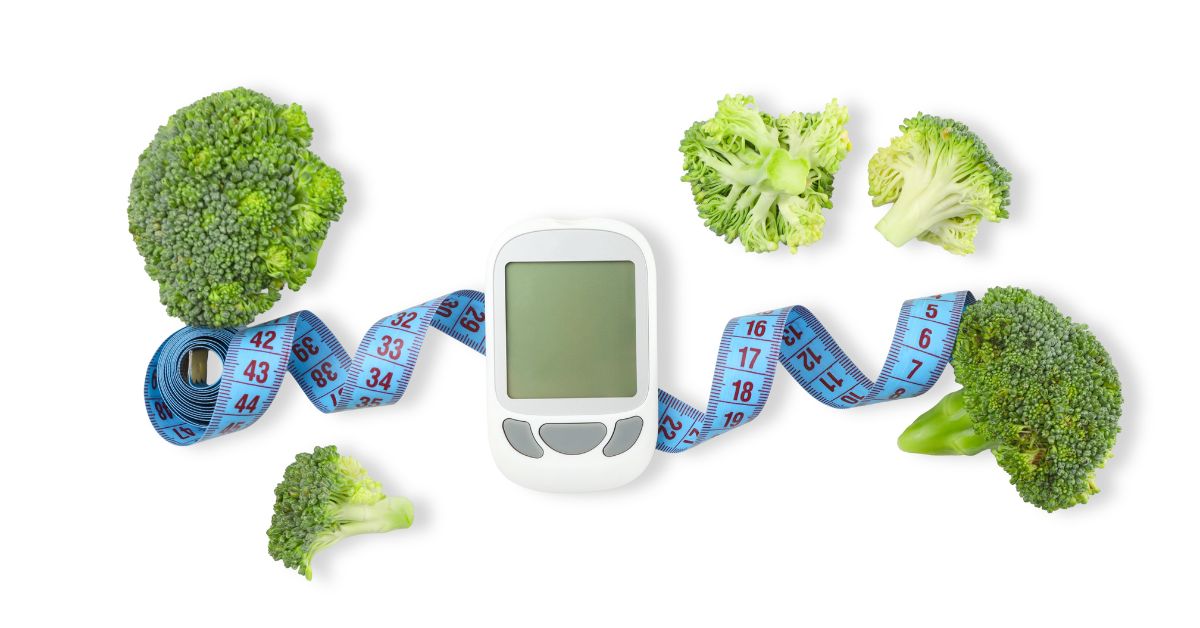
In the world of preventative care, we look at how food prevents chronic diseases like Type 2 diabetes and hypertension. A diet focused on “Whole Foods” rather than “Ultra-Processed Foods” ensures you get the maximum amount of micronutrients per calorie.
Ask yourself: In your current daily routine, how many “dead” calories (sugary drinks, packaged chips) are replacing “living” nutrients (fresh fruit, nuts, greens)?
| Nutrient Type | Primary Function | Common Source |
|---|---|---|
| Protein | Tissue Repair | Lentils, Eggs, Soya |
| Fiber | Gut Health | Whole Grains, Leafy Greens |
| Healthy Fats | Brain Health | Walnuts, Fatty Fish |
| Antioxidants | Cellular Protection | Berries, Turmeric, Green Tea |
Your 7-Day “Nutrition Audit” Challenge
Ready to take control of your health? Let’s start small. Don’t change what you eat yet—just observe it.
The Challenge: For the next seven days, try the “Color Scale” technique. At every meal, ensure there are at least three different colors on your plate.
- Red/Purple: Anthocyanins for heart health.
- Green: Chlorophyll and Fiber for detox.
- Orange/Yellow: Beta-carotene for immunity.
The Result: By the end of the week, you’ll likely find you have more energy and less bloating simply by increasing your micronutrient diversity.
Final Thoughts
What is nutrition? It is the ultimate act of self-respect. Every time you choose a nutrient-dense meal over a processed one, you are telling your body that its long-term vitality matters.
Start where you are. Use what you have. Eat for the life you want to live.
Did this breakdown help you understand your macros and micros better? Tell us in the comments which nutrient you struggle to get enough of!