
Have you ever wondered why your best friend thrives on a keto diet while it leaves you feeling sluggish? Or why some people seem to build muscle just by looking at a dumbbell, while others spend hours at the gym with minimal change?
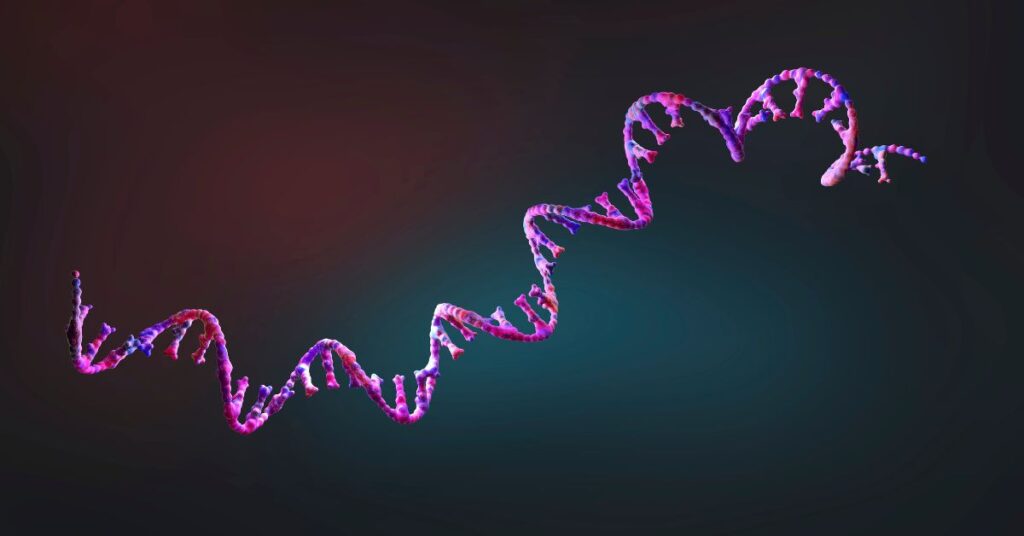
The answer lies in the fascinating world of individual differences: genetics. Your DNA is the biological blueprint that influences everything from how you process caffeine to your risk for chronic conditions. Understanding these differences is the key to moving away from “one-size-fits-all” health and toward a truly personalized wellness routine.
The Genetic Blueprint: You Are 1 of 1
Let’s look at the science: While humans share about 99.9% of their DNA, that remaining 0.1% accounts for millions of genetic variations (known as SNPs). These variations dictate your “baseline.”
In my experience, many people feel frustrated when a popular wellness trend doesn’t work for them. They feel like they’ve failed. But the truth is, your body might simply be speaking a different genetic language. Recognizing individual differences: genetics isn’t about limitations; it’s about shifting the strategy to work with your biology instead of against it.
How Genetics Impact Your Daily Health
Your DNA doesn’t just determine your eye color; it acts as a silent director for your internal chemistry. Here are three primary areas where genetics take the lead:
1. Metabolic Health and Nutrition
Our genes influence how we metabolize macronutrients. Some individuals have a genetic predisposition to handle carbohydrates efficiently, while others may be more prone to insulin resistance. This is why metabolic health looks different for everyone. For instance, the FTO gene can influence appetite and satiety, making some of us naturally feel hungrier than others.
2. Physical Fitness and Recovery
Are you a natural sprinter or an endurance athlete? Your ACTN3 gene, often called the “sprinter gene,” determines whether your muscle fibers are geared toward power or stamina. Furthermore, your genes dictate how quickly your tissues repair after a workout, which is vital for designing an effective wellness routine that avoids burnout.
3. Detoxification and Caffeine
Do you drink a coffee at 6:00 PM and sleep like a baby? Or does a single cup at noon keep you wired until midnight? The CYP1A2 enzyme in your liver, controlled by your DNA, determines how fast you clear caffeine from your system.
Genetics vs. Epigenetics: You Hold the Remote
It is a common misconception that “DNA is destiny.” While you cannot change your code, you can change how those genes are expressed. This is called epigenetics.
Imagine your genes are the keys on a piano. Individual differences: genetics determine which keys are available, but your lifestyle—your sleep, stress management, and diet—is the pianist choosing which notes to play. This is the heart of preventative care: using lifestyle choices to “silence” problematic genes and “activate” healthy ones.
Practical Steps: Personalizing Your Wellness
Since we know that individual differences: genetics play a massive role, how do you practically apply this knowledge without a PhD in biology?
- Listen to Your Biofeedback: If a “healthy” food makes you bloated or tired, trust your body over the headline. Your subjective experience is often a reflection of your genetic expression.
- Targeted Screening: For those with a family history of heart disease or diabetes, preventative care should include specific genetic screenings or advanced blood panels to catch metabolic shifts early.
- Optimize Your Environment: If you know you carry genes that make you sensitive to stress, prioritize magnesium-rich foods and daily meditation to support your nervous system.
Relatable Scenario: The “Morning Person” Myth
- The Scenario: Sameer and Priya are both SEO strategists. Sameer wakes up at 5:00 AM, hits the gym, and is at his desk by 8:00 AM. Priya tries this for a week and ends up exhausted, unproductive, and prone to snacking.
- The Reality: Sameer is likely a “Morning Lark” (AA genotype in the CLOCK gene), while Priya is a “Night Owl.” By forcing herself into Sameer’s routine, Priya is fighting her circadian rhythm genetics, which negatively impacts her metabolic health.
Thought-Provoking Question: Are you fighting your biology to meet a societal standard of “productivity”?
Summary of Genetic Influence
| Factor | Genetic Influence | Lifestyle Lever (Epigenetics) |
| Weight Management | Fat storage tendencies (FTO gene) | High-protein diet and strength training |
| Bone Health | Vitamin D receptor efficiency | Sun exposure and supplementation |
| Stress Response | Cortisol clearing rate | Breathwork and adaptogenic herbs |
The 48-Hour “Bio-Observation” Challenge
Ready to discover your own individual differences: genetics in action?
The Challenge:
For the next 48 hours, keep a “Body Reaction Log.”
- Caffeine: Note how you feel 4 hours after your last coffee. Still jittery? You might be a slow metabolizer.
- Post-Meal Energy: Note your energy 60 minutes after a heavy carb meal (like rice or pasta). If you crash, your metabolic health might require a lower-glycemic approach.
- Exercise Recovery: Do you feel energized after a HIIT session, or does it take you two days to recover? This hints at your genetic inflammatory response.
Conclusion: Embrace Your Blueprint
Understanding individual differences: genetics is the ultimate act of self-care. It frees you from the cycle of comparison and allows you to build a life that honors your unique biological signature. You aren’t “broken” if a standard diet doesn’t work; you are simply an individual with a specific set of requirements.
Imagine waking up feeling in sync with your body, knowing exactly which movements and foods power your unique engine. That clarity is the future of wellness.
Want to dive deeper into personalized health? Explore more at health.wonderpost.in and join our mission to make preventative care personal.