
Have you ever finished a meal and felt so uncomfortably full that you needed a nap, yet somehow, you were hungry again just two hours later? In our world of “super-sized” meals and oversized dinner plates, our internal “fullness gauge” has become a bit glitchy.
Mastering portion sizes isn’t about restriction or eating like a bird; it’s about recalibrating your eyes and your stomach to work in harmony. Whether you’re a professional navigating business lunches or a parent managing family dinners, understanding the nuances of portion control is a superpower for your long-term health.
The Great Confusion: Serving Size vs. Portion Size
One of the biggest hurdles in any wellness routine is the confusion between these two terms. Let’s look at the science:
- Serving Size: This is a standardized amount of food. You’ll find this on the nutrition label of a product. It is a mathematical reference point used by manufacturers to calculate calories and nutrients. It is not a recommendation of how much you should eat.
- Portion Size: This is the amount of food you actually choose to put on your plate.
In my experience, the gap between the “serving size” on a cereal box and the “portion size” in a typical breakfast bowl is often double or even triple what we realize. This “portion creep” is a silent contributor to a decline in metabolic health.
Why Your Brain Struggles with Portion Control
Our brains are easily tricked by visual cues. This is known as the Delboeuf Illusion. Imagine two identical amounts of food: one on a massive 12-inch plate and one on a modest 8-inch plate. Your brain perceives the portion on the large plate as “small,” leaving you feeling psychologically deprived.
When we consistently over-portion, we put a heavy load on our digestive system and spike our blood sugar levels. Over time, this makes preventative care much harder, as the body struggles to process the excess energy, leading to weight gain and lethargy.
Practical Hand-Eye Coordination: The “Hand Method”
You don’t need a kitchen scale to master portion control. Your hands are the perfect, portable measuring tools.
A Quick Visual Guide:
- Protein (Chicken, Dal, Paneer, Tofu): Aim for a portion the size of your palm.
- Vegetables (Salads, Sabzi): Aim for a portion the size of your fist.
- Carbohydrates (Rice, Roti, Pasta): Aim for a portion the size of your cupped hand.
- Fats (Oils, Butter, Nuts): Aim for a portion the size of your thumb.
The “Plate Method” for Balanced Nutrition
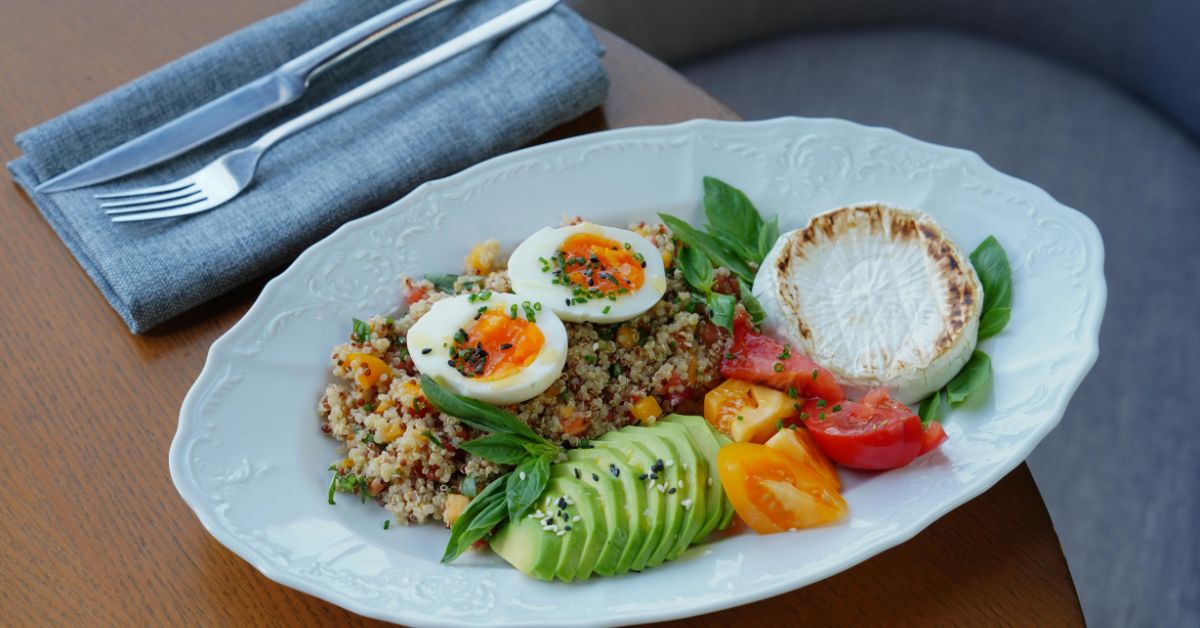
For a well-rounded meal that supports metabolic health, visualize your plate divided into sections. This is a staple of modern preventative care strategies:
- 1/2 Plate of Non-Starchy Vegetables: Spinach, cauliflower, peppers, or beans. These provide bulk and fiber to keep you full without the calorie spike.
- 1/4 Plate of Lean Protein: Essential for muscle repair and satiety.
- 1/4 Plate of Complex Carbs: Brown rice, oats, or millets like Jowar and Bajra.
3 Pro-Tips to Prevent “Portion Creep”
1. The 20-Minute Rule
It takes approximately 20 minutes for your stomach to signal your brain that it is full. If you eat in five minutes while scrolling through your phone, you will almost certainly overeat. Slow down, chew thoroughly, and give your hormones (like leptin) time to do their job.
2. Never Eat Out of the Bag
When we eat directly from a large package of snacks, we lose all visual reference for portion sizes. Always move a single “cupped hand” amount to a small bowl and put the bag away.
3. Hydrate Before You Plate
Often, our brains mistake thirst for hunger. Try drinking a glass of water 15 minutes before your meal. You might find your “hunger” is much more manageable than you thought.
Lifestyle Scenario: The Sunday Brunch
- Before: You approach the buffet or the heavy family meal with a “get my money’s worth” mindset. You pile the plate high, eat quickly, and spend the afternoon in a “food coma” with heartburn.
- After: You use a smaller plate. You fill half of it with vibrant vegetables first. You savor each bite of your favorite treats. You stop when you are 80% full. You leave the table feeling energized enough for an evening walk.
Thought-Provoking Question: Think about your last dinner. Were you eating because you were hungry, or were you eating because there was still food left on the plate?
The “Scale Back” 7-Day Challenge
Ready to recalibrate your internal hunger cues? Try this for one week:
The Smaller Plate Challenge:
- The Goal: Use a side plate (bread plate) instead of a dinner plate for all your home-cooked meals.
- The Rule: You can have seconds if you are genuinely hungry, but you must wait 10 minutes after finishing the first plate before deciding.
- The Observation: Notice if you feel just as satisfied with the smaller visual portion.
Conclusion: Eating with Intention
Understanding portion sizes is not about saying “no” to the foods you love. It’s about saying “yes” to your body’s actual needs. When you master portion control, you aren’t just managing weight—you are stabilizing your energy, protecting your metabolic health, and making a long-term investment in preventative care.
Imagine waking up feeling light, waking up with a clear mind and a body that feels fueled rather than burdened. That journey starts with the size of your next plate.