
Imagine waking up feeling like you can conquer a marathon one week, only to find yourself struggling to even choose a breakfast cereal the next. If you’ve ever felt like your body is a revolving door of different versions of “you,” you aren’t alone—and you aren’t “crazy.”
In my experience, many people view their period as just a few days of bleeding, but the reality is far more intricate. Your menstrual cycle is a vital sign, much like your blood pressure or heart rate. It is a 28-to-35-day internal communication system that influences your metabolic health, brain chemistry, and even your skin.
Let’s look at the science of why your body does what it does, so you can stop fighting your biology and start working with it.
The Master Orchestrators: Meet Your Hormones
Before we dive into the phases, we have to meet the “conductors” of this hormonal orchestra. Every wellness routine should account for these two heavy hitters:
- Estrogen: Think of this as your “outward-facing” hormone. It boosts mood, skin elasticity, and energy. It peaks right before ovulation.
- Progesterone: This is your “inner-calm” hormone. It rises after ovulation to prepare the body for a potential pregnancy. It has a slightly thermogenic (heat-producing) effect and can make you feel more introverted.
Phase 1: The Menstrual Phase (Days 1–5)
The “Winter” of Your Cycle
The first day of your period is Day 1 of your cycle. At this point, both estrogen and progesterone are at their lowest levels.
What’s happening inside:
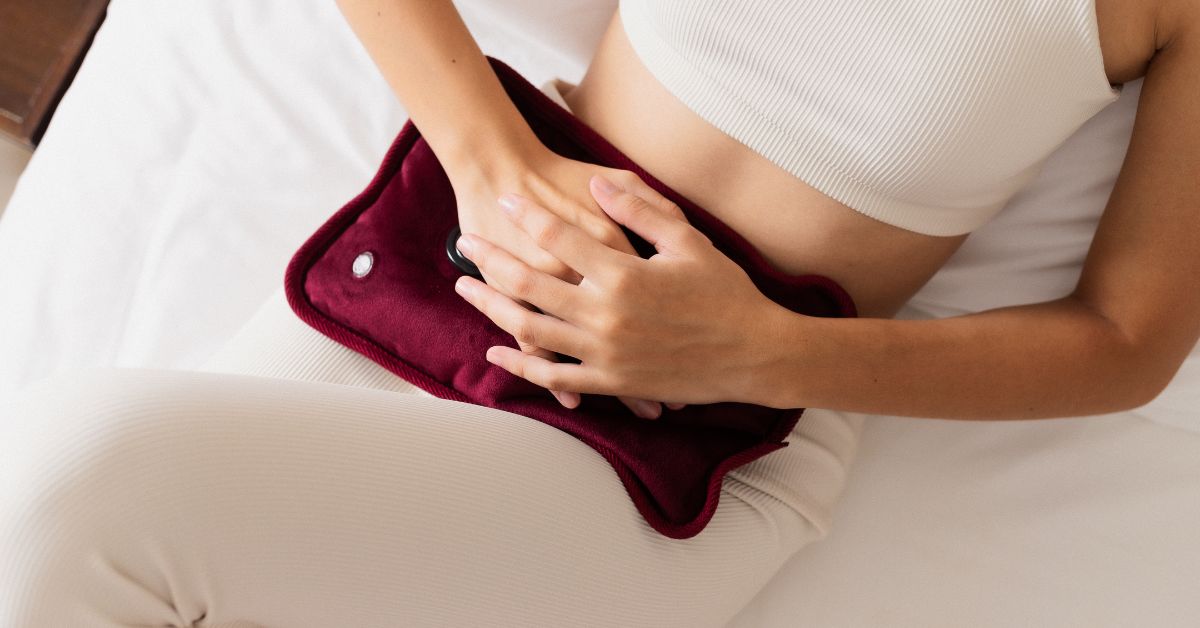
The uterine lining is shedding because no egg was fertilized. Because your hormone levels are low, your body is working hard, which often leads to fatigue.
Practical Steps for Your Wellness Routine:
- Movement: Switch the HIIT workout for restorative yoga or a gentle walk.
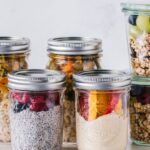
- Nutrition: Focus on iron-rich foods (spinach, lentils, or lean red meat) to replenish what you’re losing.
- The Science Shift: Your body is actually more efficient at using carbohydrates for fuel during this phase, so don’t fear the complex carbs!
Phase 2: The Follicular Phase (Days 6–14)
The “Spring” Awakening
As your period ends, your brain signals the ovaries to prepare an egg. This causes estrogen levels to climb steadily.
Imagine waking up feeling… sharp, social, and vibrant. This is the “high-power” window of your month.
Why it matters for your Metabolic Health:
Rising estrogen improves insulin sensitivity. This is the best time to try new fitness challenges or tackle complex projects at work.
Evidence-Based Tips:
- Socialize: This is your peak time for networking or public speaking.
- Complex Workouts: Your strength and endurance are naturally higher here.
- Fiber Focus: Eat fermented foods and cruciferous vegetables (broccoli, sprouts) to help your liver process the rising hormones efficiently.
Phase 3: The Ovulatory Phase (Around Day 14)
The “Summer” Peak
This is the shortest phase, lasting only 24 to 36 hours. A surge in Luteinizing Hormone (LH) triggers the release of the egg.
The “Before and After” Scenario:
- Before: You might feel a bit sluggish during your period.
- After (Now): You likely feel a “glow.” Your libido is higher, your skin looks clearer, and your communication skills are at their peak.
Phase 4: The Luteal Phase (Days 15–28)
The “Autumn” Wind-Down
After ovulation, the ruptured follicle transforms into the corpus luteum, which pumps out progesterone.
What to expect:
If pregnancy doesn’t occur, progesterone and estrogen eventually drop, which can trigger PMS symptoms like bloating, irritability, or cravings. This is a crucial window for preventative care—the better you manage your stress now, the easier your next period will be.
Lifestyle Adjustments:
- Lower the Intensity: Your body temperature rises by about $0.5$ degrees during this time. You may find you get breathless faster during cardio.
- Magnesium is Key: Dark chocolate and pumpkin seeds can help ease cramps and improve sleep quality.
- The “No” Power: This is the time to prioritize boundaries and extra sleep.
Why Understanding This is Critical for Preventative Care
Tracking your cycle isn’t just about fertility; it’s about preventative care. When you understand normal menstrual cycle phases and hormones, you can spot “red flags” early.
- Are your cycles consistently longer than 35 days? This could indicate PCOS or thyroid issues.
- Is your PMS debilitating? It might be a sign of estrogen dominance or nutrient deficiencies affecting your metabolic health.
| Phase | Main Hormone | Energy Level | Best Activity |
| Menstrual | Low Estrogen/Progesterone | Low | Rest & Reflection |
| Follicular | Rising Estrogen | Increasing | High Intensity / Learning |
| Ovulatory | Peak Estrogen / LH Surge | Highest | Socializing / Peak Fitness |
| Luteal | High Progesterone | Declining | Strength Training / Organization |
Connecting the Dots: Your Daily Routine
Think about your current schedule. Do you find yourself pushing for a promotion or a personal record at the gym during your Luteal phase, only to burn out?
Let’s look at the science: When we force our bodies to perform at a “linear” 100% every single day, we ignore the “cyclical” nature of our biology. This often leads to chronic cortisol elevation, which disrupts our wellness routine and sleep.
The 7-Day “Cycle Syncing” Challenge
Ready to put this into practice? You don’t have to overhaul your life overnight. Start with this small challenge:
- Download a Tracking App: For the next 7 days, log just three things: your energy level (1–10), your mood, and where you are in your cycle.
- Match One Meal: If you are in your Luteal phase, add a handful of magnesium-rich seeds. If you are Follicular, try a new raw salad.
- Adjust One Workout: If you’re feeling “heavy” or tired, give yourself permission to swap a run for a 20-minute stretch.
How does your body feel when you stop fighting your natural rhythm?
Conclusion
Understanding normal menstrual cycle phases and hormones is the ultimate “life hack” for anyone seeking long-term wellness. It transforms your period from a monthly “nuisance” into a roadmap for your productivity, fitness, and mental health.
Remember, your body isn’t a machine; it’s an ecosystem. Treat it with the curiosity and respect it deserves.